

I want to tell you something upfront that took me longer than it should have to figure out about Musher's Secret Dog Paw Wax: it is a barrier product, not a repair product. That sounds like a minor distinction, but it changes everything about whether this tin belongs in your cabinet. If Penny's pads are already split and sore, Musher's Secret is not going to fix that. If you want to keep her pads from splitting in the first place, it is genuinely one of the best tools I have found. Those are two completely different jobs, and the product does only one of them well.
I started using Musher's Secret on Penny, my two-year-old lab mix, about eight months ago. I had read the reviews, I knew the 4.6-star average across more than 36,000 ratings, and I had seen the word 'heals' show up enough times in Amazon Q&A that I assumed it would help her cracked back pads heal faster after a rough stretch of hiking. It did not. What it did do, once I understood how to use it correctly, was keep those pads from cracking again. That is a real and useful thing. But you need to know going in that those are different outcomes, and most reviews glide right over that gap.
The Quick Verdict
A reliable, lick-safe barrier wax that prevents pad damage well, but it is not a crack healer, needs clean dry paws, wears off faster than the label implies, and the 60g tin goes quickly on a bigger dog.
Amazon Check Today's Price →If your dog's pads are healthy and you want to keep them that way, this is the right product.
Musher's Secret works as a preventive barrier on clean, dry paws before walks. Check current availability and pricing on Amazon.
Amazon Check Today's Price on Amazon →How I Have Used It and What I Actually Tested
I applied Musher's Secret to Penny's paws before morning walks three to four times a week for about eight months, varying whether I applied it every day, every other day, or only before longer outings. I also tried it on Otis, my 11-year-old beagle who has drier pads due to age, to see if the results differed between a young active dog and a senior with thinner, more fragile skin. I did not test it on Miso, my cat, because paw wax on a cat is a whole separate category of chaos I was not prepared to deal with.
What I specifically tracked: how long the wax coating lasted on a walk before it wore off, whether pads showed visible improvement over weeks, how often Penny tried to lick her paws after application, whether the wax left prints on flooring, and how quickly the tin depleted with pre-walk use on a 55-pound dog. I also did a straight smell test, because I have seen enough pet product reviews skip this that I wanted to actually describe it in terms someone with a sensitive-smelling dog can act on.
One thing I want to be clear about: I did not apply this to already-cracked pads and then wait to see if it healed them. I tried that initially and it did not work. What I am reviewing here is the product's actual use case, which is protective barrier wax applied consistently on pads that are in reasonable condition.
The Lick-Safe Claim: What Actually Happens
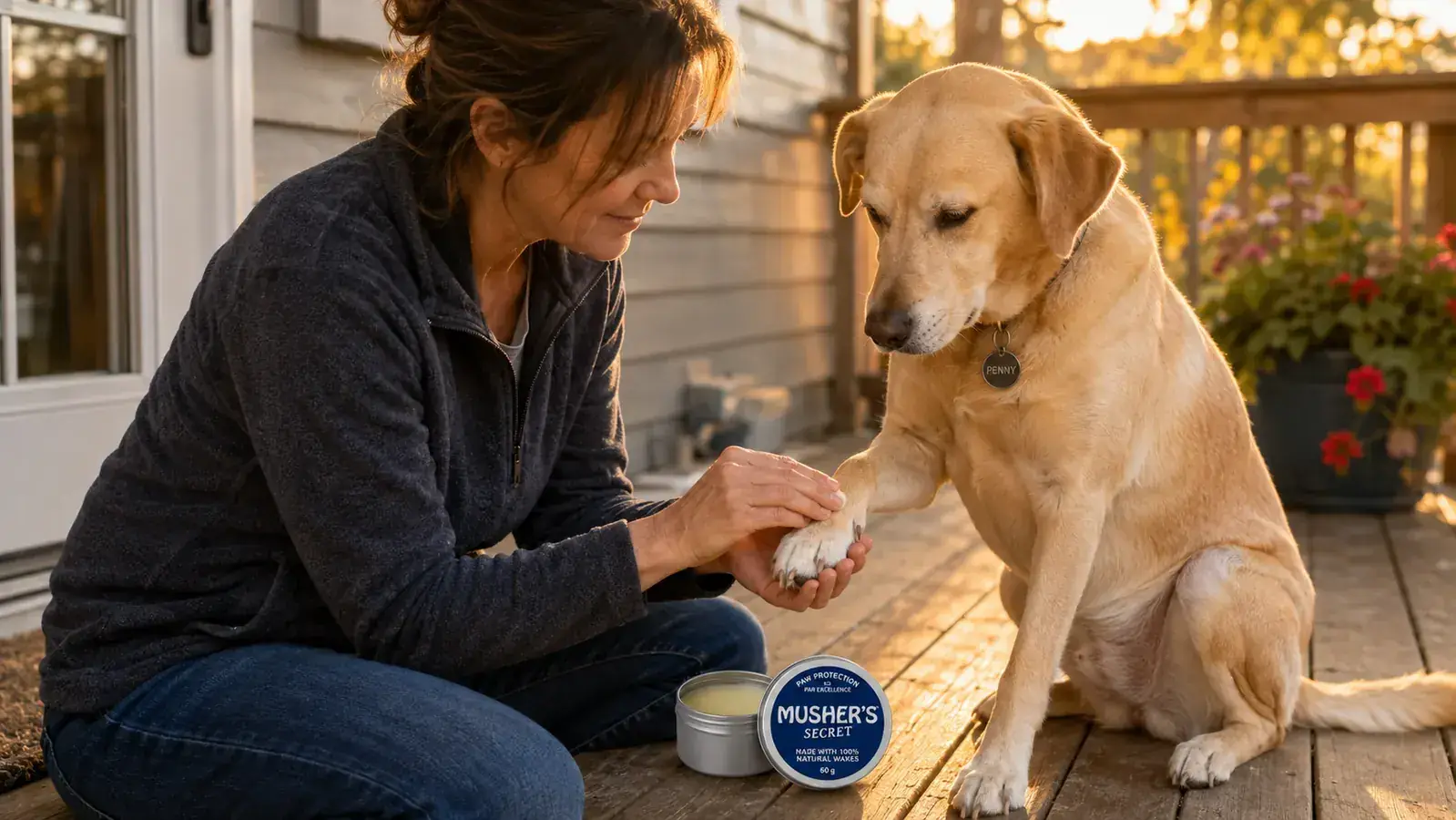
Penny is a determined self-groomer. After I apply anything to her paws, she will investigate immediately. With Musher's Secret, she sniffed, licked twice, and moved on. No distress, no repeated licking, no upset stomach. I watched this happen consistently across dozens of applications. Otis, who is more food-motivated and less discriminating, gave the paws a longer lick and also had zero reaction.
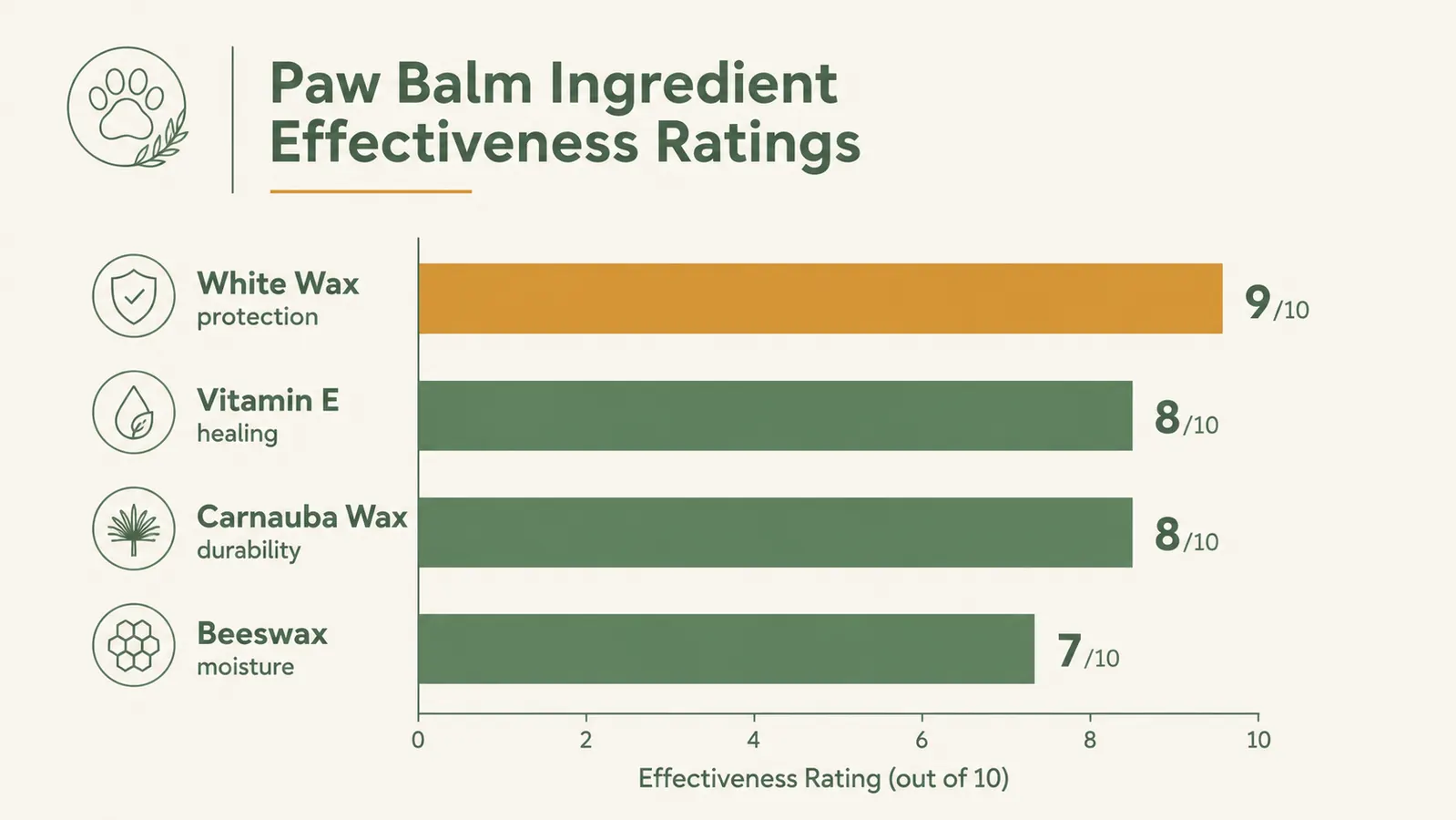
The wax is made from a blend of food-grade white petroleum, beeswax, carnauba wax, and vitamin E. None of those are ingredients that should cause a problem if a dog licks them in small amounts. The lick-safe claim holds up in practice. What I would add is that lick-safe is not the same as lick-proof: if your dog licks the paws clean right after application, you have applied wax and gotten no benefit from it. Let the product absorb for two or three minutes before sending them out, or apply right before you leave so there is no opportunity for them to immediately undo your work.
The Smell: Honest Notes
I have seen reviewers describe Musher's Secret as odorless. That is not accurate, at least not from my experience. It has a faint waxy smell, closer to unscented lip balm than anything else, with a very mild petroleum undertone that dissipates within a few minutes of application. It is not strong, it does not linger in the room, and I have never had a guest comment on it. But if you are expecting truly odorless, you will notice something when you first open the tin.
The smell does not bother Penny or Otis, which is the main thing that matters. I mention it because some dogs are smell-sensitive and pull away from anything with even a faint chemical note. If your dog has rejected paw products before due to smell, I would dab a tiny amount on your wrist first and see what your dog does when you hold it near them before committing to the full tin.
Musher's Secret is the paw product I reach for to prevent cracking, not to fix it. Once I stopped expecting it to do the second job, I started actually appreciating how well it does the first one.
The Waxy Floor Print Problem Nobody Mentions
Here is the thing that shows up in almost zero reviews and that I absolutely should have warned myself about: for the first five to ten minutes after application, your dog will leave faint waxy paw prints on hard flooring. On my light oak floors, these look like slightly greasy outlines of Penny's paws, and they lead from wherever I applied the wax directly to wherever she decided to flop down. They wipe up easily with a damp cloth. They are not a stain. But they are noticeable, and if you have light-colored carpet or floors and you are not expecting them, the first morning will surprise you.
My system now: apply Musher's Secret in the entryway right before the leash goes on, so the dog goes directly outside and the wax has time to settle and absorb on the walk rather than being tracked across the kitchen floor first. If you apply it in the living room and then your dog wanders around for ten minutes before you leave, you will deal with the prints. The sequence matters more than you would expect from a product that just looks like a small tin of wax.
Reapplication Reality vs What the Tin Implies
The product does not come with clear reapplication instructions, which leaves most buyers guessing. The Amazon listing language implies something like weekly use. My experience is that for real-world protection during regular walks on pavement, you want to apply it before every walk that involves rough or hot or salt-treated surfaces. Every walk. That is not a complaint about product quality so much as a physics reality: a thin wax layer on four paw pads that contact rough pavement for forty-five minutes is going to wear thin. Wax is not a permanent coating.
Weekly application is fine for light indoor use, or for dogs who mostly walk on grass. For pavement-heavy urban walks, especially in summer heat or icy winter conditions with road salt, plan to apply before each outing. With Penny at 55 pounds and four large paws, I was going through the 60g tin in about six to seven weeks with pre-walk application. That adds up over the course of a year, and if the cost surprises you mid-winter, it is because the reapplication frequency was not made clear at the outset.
Paw Surface Prep Matters More Than the Label Suggests
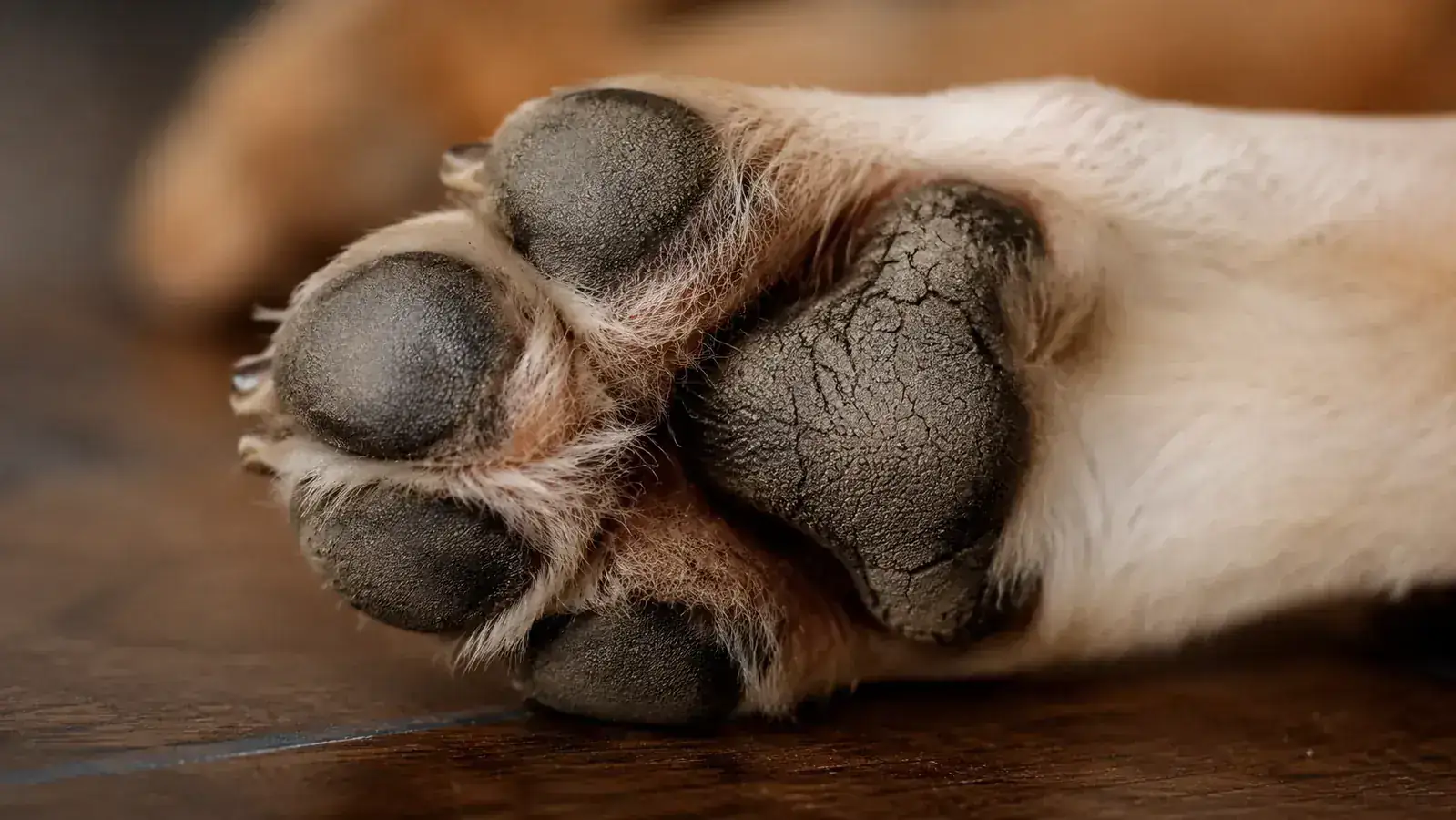
The label does not say this clearly enough: the wax needs clean, dry paws to adhere properly. I learned this by applying it after a muddy morning walk without properly drying Penny's feet first. The wax went on patchy, did not absorb evenly, and mostly came off in chunks within the first ten minutes of the next walk. Clean the paws, pat them dry with a towel, let any moisture evaporate for a moment, and then apply. On Otis, whose arthritic joints make the drying step more of a negotiation, I started keeping a small dedicated towel on a hook by the door to make the routine faster and less of a production.
Between the pads and the toe pads are the areas that actually crack first, especially in winter. Getting the wax into those crevices takes a minute of active working rather than a quick surface swipe. I use my thumb to push the wax into the space between each toe pad. It is a one- to two-minute process per dog if you are doing it correctly. If you are swiping across the bottom of the paw in three seconds and walking away, you are using the product incorrectly and it will underperform.
The Tin Size Problem for Bigger Dogs
The 60g tin is appropriate for small dogs used occasionally, or for one large dog used consistently for about six weeks. If you have two large dogs and you are applying before every walk, a single tin is a four-week supply at best. The product is also available in a 200g size, which I switched to after running out of the 60g at an inconvenient time mid-winter when the roads were salted and I needed it most. The per-gram cost is meaningfully better in the larger size.
For any dog over 40 pounds with regular application, I would start with the 200g unless you are just testing whether your dog tolerates the product. The 60g is fine as a trial size, but if you find yourself liking it, buying the larger tin immediately makes more sense than reordering the small one every five weeks. I wish that had been spelled out somewhere on the listing rather than something I figured out by running out at a bad time.
Not a Substitute for Booties in Extreme Cold
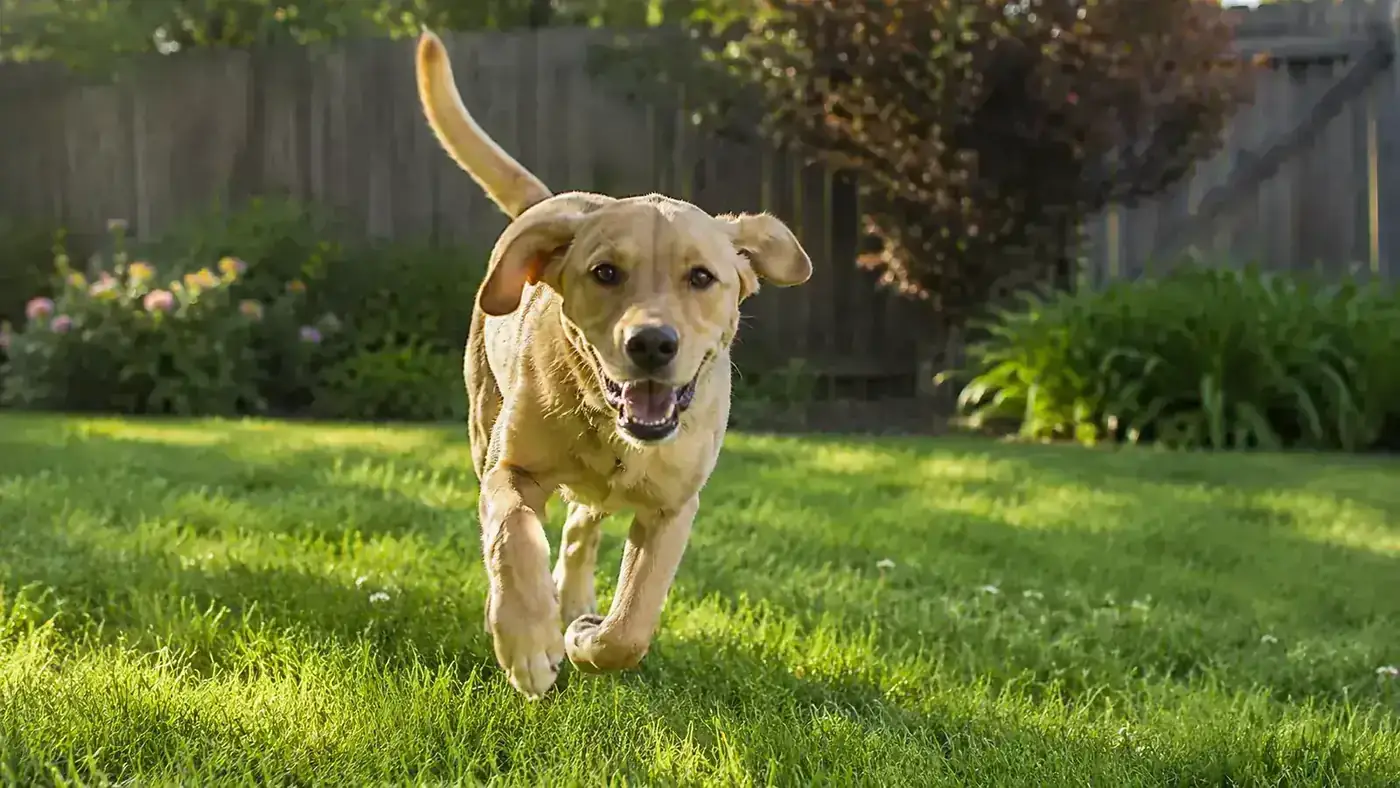
I want to be direct about this because I see it come up in product Q&A regularly: Musher's Secret is not a replacement for booties when temperatures are genuinely extreme. At ambient temperatures below about 15 to 20 degrees Fahrenheit, especially with wind chill and road salt, a wax barrier is not enough protection against ice burns and frostbite risk. The wax helps. It is better than nothing. But if you are walking a dog in conditions where you yourself need insulated gloves, the paws need physical insulation too.
Where Musher's Secret does shine in winter is against road salt and ice-melt chemicals, which are the more common problem for most dog owners in cold climates. Salt sits on the surface, gets into pad cracks, and causes chemical irritation and localized pain. The wax barrier significantly reduces direct contact with those chemicals. That is a meaningful and real benefit in normal winter walking conditions, just not a substitute for proper gear in actual extreme cold. Know which problem you are solving before you reach for the tin.
What I Liked
- Genuinely lick-safe: both my dogs licked it and had no reaction across months of use
- Works well as a preventive barrier against salt, heat, and rough pavement when applied correctly
- Absorbs without leaving a greasy residue after the first few minutes
- Mild smell that dissipates quickly and does not bother most dogs
- Available in a larger 200g size that makes more financial sense for multi-dog households or consistent use
- Vitamin E content gives maintained pads a noticeably softer texture over consistent weeks of use
Where It Falls Short
- It is a barrier wax, not a healing product: will not repair pads that are already cracked or damaged
- Leaves waxy paw prints on hard flooring for 5-10 minutes after application
- Needs clean, dry paws to adhere properly: patchy adhesion on damp or dirty pads
- Wears off with pavement contact: pre-walk application needed before every rough-surface walk, not just weekly
- 60g tin is a short supply for dogs over 40 pounds with regular use
- Not a replacement for booties in genuinely extreme cold or prolonged snow exposure
Who This Is For
Musher's Secret is the right product for dog owners who want a consistent preventive paw care routine and are willing to put in the two minutes per dog before a walk. If your dog covers real pavement mileage, if you live somewhere with seasonal salt or summer heat extremes, and if you want a lick-safe option that does not require wrestling the dog to apply, this works well. It is especially suited to owners of active dogs who want to keep pads in maintained condition before they become a problem. I use it on Penny year-round and on Otis through the winter months. For that job, it earns its place in the cabinet.
Who Should Skip It
If your dog's pads are already split, raw, or showing signs of infection, this is not the product to start with. A veterinarian needs to assess significant pad damage before you add any over-the-counter product to the equation, and a healing balm specifically formulated for damaged tissue is a different product category than what Musher's Secret is. Similarly, if you want a once-a-week apply-and-forget solution for a large dog doing daily pavement walks, expect to go through this tin faster than anticipated and budget accordingly. And if your dog spends significant time in temperatures below 15 degrees Fahrenheit, booties are the right tool for that job, not wax.
Preventive pad care before the walk beats repair after the damage.
Musher's Secret has been Penny's pre-walk routine for eight months. If your dog's pads are healthy and you want to keep them that way through pavement heat and winter salt, this is the wax I reach for. Check today's price and size options on Amazon.
Amazon Check Today's Price on Amazon →